About This Item
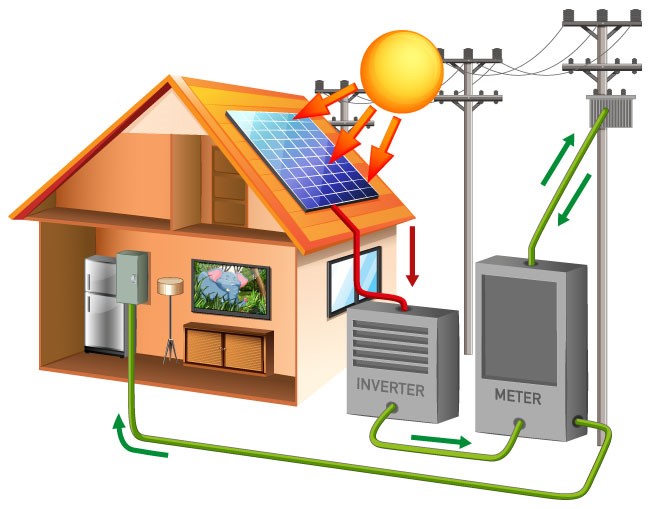
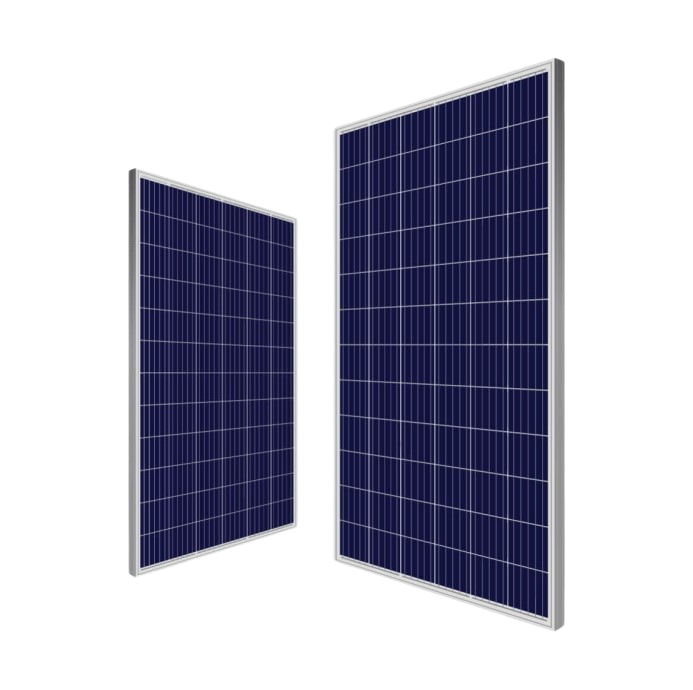
A solar panel is a device that converts sunlight into electricity. It's made up of photovoltaic (PV) cells that generate electrons when exposed to light. The electrons flow through a circuit and produce direct current (DC) electricity.
Solar panels can be used to:
Supplement a building's electricity
Provide power at remote locations
Save hundreds per year on energy bills
Solar panels are made of:
Photovoltaic (PV) cells
Materials that generate electrons when exposed to light
Silicon, which is the most common semiconductor material used in solar cells
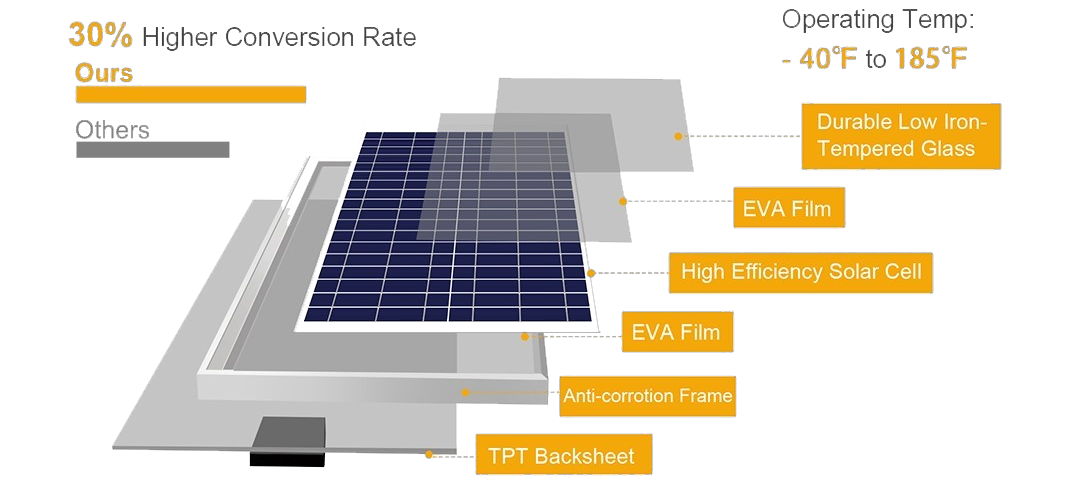
Solar Panel
Materials that generate electrons when exposed to light Silicon, which is the most common semiconductor material used in solar cells
Solar panels can convert 5 to 19% of light energy into electricity, depending on the type of panel. The energy they produce can be stored for distribution after the sun sets.
- Soft costs, such as:
- Permitting
- Financing
- Installing solar
- Expenses solar companies incur to acquire new customers, pay suppliers, and cover their bottom line